
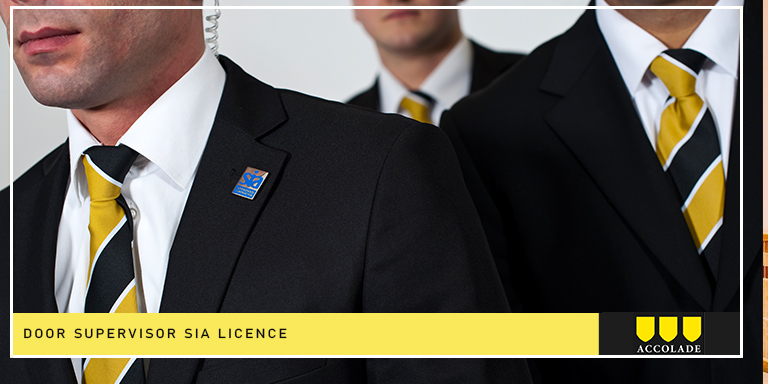
Door Supervisor SIA Licence: What London Businesses Need to Know
A door supervisor SIA licence is a mandatory credential issued by the Security Industry Authority (SIA) to individuals who carry out door supervision activities at licensed premises, events, and other venues across the United Kingdom. Any person controlling or monitoring entry to a venue where a premises licence or temporary event notice is in place must hold a valid SIA door supervisor licence. For London businesses — from nightclubs in Camden and bars in Soho to corporate events in the City of London — engaging only SIA-licensed door staff is both a legal requirement and a practical safeguard for public safety.
Professional security is not only about presence. It is about risk assessment, prevention, communication, response, and consistent site supervision.
Why Door Supervision Matters for London Businesses
London’s night-time economy, hospitality sector, and events industry create a constant demand for qualified door supervision. Licensed premises, hotels, retail environments, and event venues all face risks including antisocial behaviour, unauthorised access, theft, and potential safety incidents.
A properly licensed venue access controller does far more than stand at the door. They verify age and identification, manage capacity, de-escalate conflict, respond to emergencies, and support a positive customer experience. Without SIA-licensed door staff, a venue operator risks regulatory non-compliance, increased liability, and reputational damage.
Across Central London, Westminster, Kensington, and East London, local authorities and police licensing teams actively check that door supervisors hold valid SIA credentials. Operating without licensed security personnel can lead to licence reviews, fines, and even venue closure.
What the SIA Licence Requires
To obtain a door supervisor SIA licence, candidates must:
- Complete an approved training course — covering conflict management, physical intervention, emergency procedures, and relevant legislation.
- Pass an identity and criminal record check — the SIA conducts thorough vetting before issuing any licence.
- Receive a licence badge — valid for three years, which must be visibly displayed while working.
However, holding a licence is only the starting point. Many London businesses overlook the fact that an SIA badge confirms minimum competence, not full operational readiness. Effective door supervision depends equally on site-specific briefings, clear reporting procedures, and ongoing supervision by the security provider.
How Security Needs Differ Across London Venues
Different environments demand different approaches from entry point security officers:
- Bars, nightclubs, and licensed premises — Door supervisors manage queues, enforce licensing conditions, handle intoxicated patrons, and liaise with Metropolitan Police if incidents escalate.
- Hotels and hospitality — Hotel security staff must balance firm access control with a welcoming guest experience, particularly in high-end venues in Chelsea and Mayfair.
- Corporate events and private functions — Guest list management, VIP access, and discreet incident handling require trained, presentable licensed premises security staff.
- Retail environments — Retail security operatives focus on loss prevention, shoplifter deterrence, and customer safety, often working alongside CCTV monitoring systems.
- Construction sites — Site security priorities include preventing trespassing, theft of materials, and ensuring health and safety compliance, particularly on developments in Canary Wharf and Stratford.
Each setting requires a tailored risk assessment before any door supervisor or security officer is deployed.
Common Mistakes Businesses Make with Door Supervision
- Hiring on price alone. The cheapest SIA licensed door staff may lack relevant venue experience, proper insurance, or effective supervision from their employer.
- Skipping site-specific risk assessments. A licensed security operative unfamiliar with your venue layout, emergency exits, CCTV blind spots, and local risks will underperform regardless of their badge.
- Ignoring incident reporting. Professional door supervision requires written incident logs, body-worn camera footage where applicable, and clear escalation procedures. Many venues fail to insist on these from their provider.
- Treating the SIA licence as the only quality marker. Reputable providers also maintain SIA Approved Contractor Scheme (ACS) accreditation, which confirms that the company meets independently audited standards for management, training, and operational delivery.
- No communication plan. Door supervisors should have a direct line to venue management and, where relevant, coordinate with mobile patrols, concierge security, and CCTV operators for a joined-up approach.
Expert Insight: Why SIA Licensing Is Just the Starting Point
Experienced security providers understand that a door supervisor SIA licence is a baseline, not a guarantee of quality. What separates reliable door supervision from inadequate cover includes:
- Ongoing training — conflict resolution refreshers, counter-terrorism awareness (ACT), and first aid certification.
- Supervision and accountability — regular site visits by management, performance reviews, and client feedback loops.
- Communication skills — the ability to de-escalate situations calmly, represent your brand positively, and support a safe customer experience.
- Incident response planning — documented procedures for medical emergencies, evacuations, aggressive behaviour, and crime scenes.
Accolade Security, an SIA Approved Contractor based in London, deploys SIA-licensed door supervisors who are first aid certified and ACT awareness trained. Their management team holds risk assessment qualifications and conducts site-specific briefings before any deployment.
Key Takeaways
- A door supervisor SIA licence is a legal requirement for anyone controlling entry at licensed premises or events in England and Wales.
- The SIA licence confirms minimum competence — venue-specific training, reporting, and supervision determine actual quality.
- London businesses should verify ACS accreditation, not just individual SIA badges, when selecting a security provider.
- Site-specific risk assessments, clear communication plans, and incident reporting are essential for effective door supervision.
- Professional door supervision protects staff, customers, assets, and your venue’s reputation.
Summary
Engaging SIA-licensed door supervisors is a non-negotiable requirement for any London business operating licensed premises or hosting public events. The door supervisor SIA licence ensures operatives meet a minimum standard of training and vetting — but businesses should look further, demanding site-specific risk assessments, ACS-accredited providers, robust incident reporting, and operatives with genuine venue experience. Whether you manage a bar in Soho, a hotel in Westminster, or a construction site in East London, the right security partner will tailor their approach to your specific risks and operational needs. For professional, SIA-licensed door supervision and wider security support across London, contact Accolade Security to discuss your requirements.
Frequently Asked Questions

Posted By : Accolade Security
At Accolade Security, protecting your business is our priority – so contact us today for more information about how we can help keep your organization secure!