

Professional Security Guards UK Businesses 2026
Professional Security Guards UK Businesses 2026 is a practical concern for companies that need reliable protection, safer premises, and better control over daily risks. For London businesses, professional guarding is not just about placing someone at a door. It involves SIA-licensed security officers, site-specific risk assessment, clear reporting, access control, CCTV awareness, emergency response, and consistent supervision.
In 2026, businesses across London need security support that fits their actual operating environment. A hotel in Westminster, a retail store in Stratford, a construction site in East London, and a corporate office in Canary Wharf all face different risks. Professional security must reflect those differences.
Professional security guards help UK businesses protect people, premises, assets, and operations through visible deterrence, controlled access, incident response, loss prevention, and regular site supervision. In London, where business environments are busy, mixed-use, and often high-footfall, security officers should be SIA-licensed, properly briefed, and supported by clear procedures.
Professional security is not only about presence. It is about risk assessment, prevention, communication, response, and consistent site supervision.
For many London businesses, the right security plan may combine static guards, mobile patrols, CCTV monitoring, key holding, concierge security, retail security, door supervision, or event security. The best approach depends on the site, risk level, operating hours, visitor profile, and business priorities.
Why Professional Security Guards UK Businesses 2026 Matters
Professional Security Guards UK Businesses 2026 matters because commercial risks have become more complex. Businesses are dealing with theft, trespassing, antisocial behaviour, unauthorised access, vandalism, staff safety concerns, and operational disruption.
In London, these issues can affect many types of premises, including:
- Corporate offices
- Retail stores
- Hotels
- Licensed venues
- Construction sites
- Residential developments
- Industrial and warehouse facilities
- Events and public-facing spaces
A professional security officer can reduce risk by observing behaviour, managing entry points, supporting staff, recording incidents, and responding early before problems escalate. This is especially important in areas with high visitor movement, late-night operations, valuable stock, or restricted access zones.
Good security also supports customer experience. A calm, well-trained officer at a hotel entrance, reception desk, retail floor, or event access point can make people feel safer without creating an intimidating environment.
Why This Topic Matters for London Businesses
London businesses operate in a fast-moving environment. Central London offices, West London hotels, East London construction sites, City of London corporate buildings, and South London retail units do not all need the same security arrangement.
A standard guard placement may not be enough. Businesses need security officers who understand the site layout, visitor flow, emergency procedures, reporting structure, and escalation process.
For example:
- A construction site may need overnight guarding, perimeter checks, mobile patrols, access logs, delivery checks, and protection against trespassing.
- A hotel may need front-of-house awareness, guest support, discreet observation, incident handling, and coordination with management.
- A retail store may need loss prevention, customer-facing professionalism, stock protection, and support during peak trading hours.
- A licensed venue may need door supervision, queue management, ID checking, conflict de-escalation, and public safety awareness.
- A corporate office may need reception security, access control, visitor management, contractor sign-in procedures, and emergency response support.
- This is why site-specific security planning matters. Security should match the business, not the other way around.
The Role of SIA-Licensed Security Officers
The Security Industry Authority regulates the UK private security industry. For many front-line security roles, officers must hold the correct SIA licence.
An SIA licence is an important starting point. It confirms that the officer has met required licensing conditions for the relevant role. However, licensing alone does not guarantee the quality of service on a specific site.
London businesses should also look at:
- Site training
- Assignment instructions
- Supervision
- Incident reporting
- Communication skills
- Appearance and conduct
- Emergency awareness
- Customer service ability
- Understanding of access control
- Knowledge of escalation procedures
A licensed officer who is not properly briefed may miss important risks. A well-briefed officer, supported by clear site instructions, can make a meaningful difference to safety and daily operations.
Accolade Security states that it holds approved contractor status for Door Supervision, Security Guarding, Key Holding, and Public Space CCTV. The company also presents services across retail security, hotel security, corporate security, construction site security, event security, door supervision, key holding, and public space CCTV on its website.

UK Private Security Standards and Business Confidence
UK businesses should understand the difference between basic guarding and professionally managed security.
The SIA Approved Contractor Scheme, known as ACS, is a recognised quality scheme in the private security industry. It looks beyond individual licensing and considers business-level standards, including operational systems, training, supervision, management processes, and service quality.
Where a company holds ACS status, it can give businesses more confidence that the provider has been assessed against industry requirements. This does not remove the need for a proper site review, but it helps buyers ask better questions and compare providers more carefully.
Accolade Security also references British Standards BS7898 and BS7499 on its website. These standards are relevant to security screening and manned guarding operations. For business decision-makers, this supports a more structured approach to selecting a security provider.
Key Services and Practical Security Considerations
Security should be designed around the risk profile of the site. Below are common services London businesses may need.
Security Guards and Manned Guarding
Security guards provide a visible and practical layer of protection. Their role may include patrols, access control, visitor support, incident response, lock-up checks, and reporting.
Visible guarding can deter opportunistic theft, trespassing, vandalism, and antisocial behaviour. However, visibility must be combined with active observation. A professional officer should notice unusual movement, weak access points, unsafe behaviour, and changes in site conditions.
Mobile patrols are useful for sites that do not require a full-time static officer but still need regular checks. They may suit vacant properties, construction sites, warehouses, car parks, schools, offices, and commercial units.
A patrol can check doors, gates, windows, lighting, alarms, perimeter fencing, and signs of forced entry. For businesses with several London locations, mobile patrols may provide flexible coverage.
CCTV Monitoring
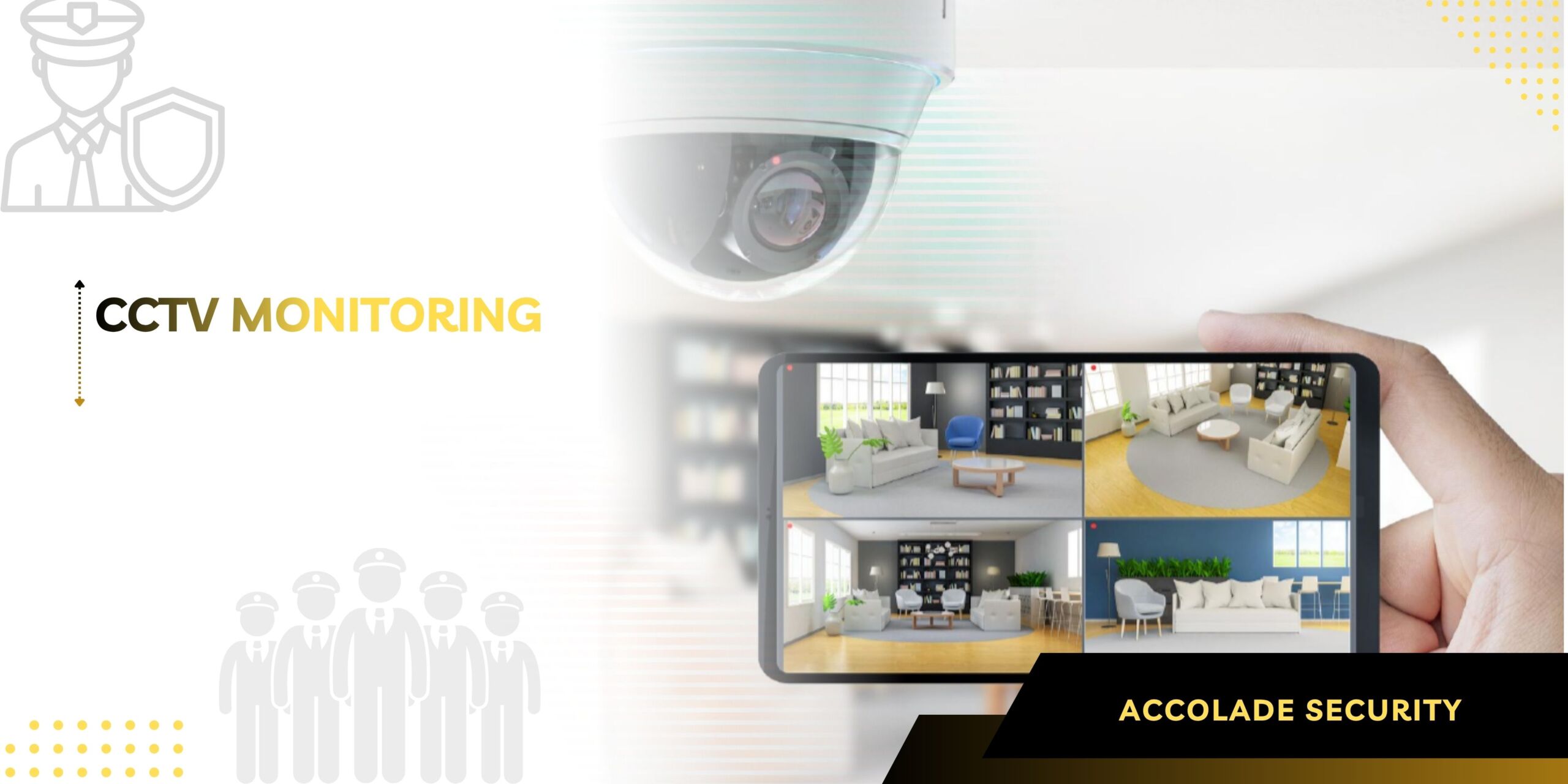
CCTV monitoring can support crime prevention and incident verification. It may help identify unauthorised access, suspicious behaviour, safety hazards, or site breaches.
However, CCTV must be used responsibly. Businesses should consider privacy, signage, data handling, camera positioning, and access to recorded footage. The Information Commissioner’s Office provides guidance for organisations using CCTV and video surveillance.
CCTV works best when it is connected to a clear response process. Recording an incident is useful, but responding quickly is often more important.
Access Control
Access control is essential for offices, hotels, construction sites, warehouses, residential buildings, and licensed premises. It helps ensure that only authorised people enter restricted areas.
Practical access control may include:
- Visitor logs
- Staff ID checks
- Contractor sign-in procedures
- Delivery verification
- Gatehouse control
- Reception security
- Restricted area monitoring
- Key issue records
The process should be simple enough to follow but strong enough to reduce unauthorised access.
Key Holding
Key holding can support businesses that need secure access outside normal hours. It may be useful for alarm response, emergency access, lock-up duties, vacant premises, and property management.
Professional key holding reduces the need for business owners, managers, or staff to attend sites alone during unsociable hours. This can support both security and staff safety.
Concierge Security
Concierge security combines front-of-house service with protective awareness. It is common in residential buildings, hotels, corporate offices, and serviced apartments.
A concierge security officer should be professional, calm, observant, and customer-focused. The role may include greeting visitors, managing access, monitoring deliveries, supporting residents or guests, and reporting unusual activity.
Retail Security
Retail security focuses on loss prevention, staff support, customer safety, and store protection. London retailers may face shoplifting, refund abuse, aggressive behaviour, organised theft, and stock loss.
A professional retail security guard should support the store team without disrupting the customer experience. The right approach is visible, calm, and proactive.
Hotel Security
Hotel security must balance guest experience with safety. Officers may support reception teams, manage incidents, monitor entrances, assist during late-night periods, and respond to disturbances.
Hotels in Central London, Kensington, Chelsea, Westminster, and Canary Wharf often need officers who understand discretion, service standards, and emergency procedures.
Construction Site Security
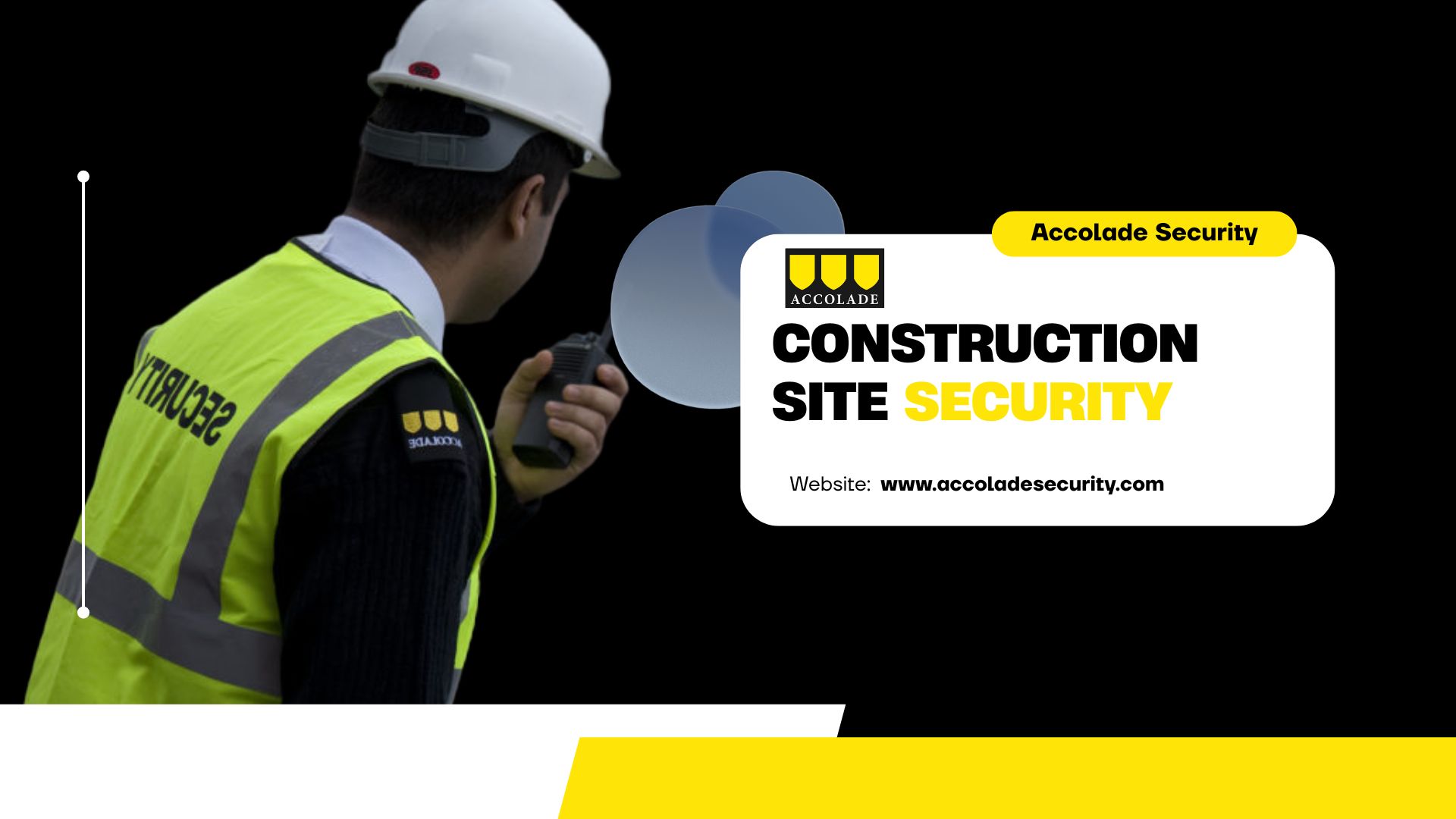
Construction sites are vulnerable because they often contain tools, machinery, fuel, copper, materials, and temporary structures. Risks increase at night, during weekends, and during project delays.
Construction site security may include:
- Gatehouse control
- Delivery monitoring
- Contractor access checks
- Perimeter patrols
- CCTV support
- Fire watch awareness
- Incident reporting
- Protection against trespassing and vandalism
A good security plan can reduce delays, protect assets, and support site safety.
Event Security and Door Supervision
Events and licensed premises require careful planning. Security officers may manage queues, check tickets, support entry control, monitor crowd movement, and respond to incidents.
Door supervision is particularly relevant for bars, clubs, restaurants, hotels, and licensed venues. The officer’s role is not just to refuse entry where needed. It also includes communication, conflict de-escalation, public safety, and coordination with venue management.
The Health and Safety Executive highlights the importance of assessing crowd risks, venue suitability, roles, responsibilities, and emergency planning for events.
Step-by-Step Security Process
A professional security arrangement should follow a clear process.
Step 1: Understand the Site
The provider should review the type of premises, location, operating hours, access points, footfall, previous incidents, and business concerns.
Step 2: Complete a Risk Assessment
A site-specific risk assessment helps identify threats such as theft, trespassing, vandalism, staff safety issues, unauthorised access, crowd movement, fire safety concerns, and emergency response gaps.
Step 3: Define the Security Objective
The business should be clear about what it wants to achieve. This may include reducing theft, protecting staff, improving visitor control, securing equipment, supporting public safety, or protecting out-of-hours premises.
Step 4: Choose the Right Security Service
Some sites need static guarding. Others need mobile patrols, CCTV monitoring, key holding, concierge security, retail security, door supervision, or a combined solution.
Step 5: Prepare Assignment Instructions
Assignment instructions should explain duties, access procedures, emergency contacts, patrol routes, reporting requirements, escalation steps, and site-specific rules.
Step 6: Deploy Suitable Officers
The officer should match the environment. A hotel may need a front-of-house profile. A construction site may need strong patrol discipline. A licensed venue may need door supervision experience.
Step 7: Monitor, Report, and Review
Security should not remain static. Incident reports, patrol logs, management feedback, and site changes should be reviewed regularly. This helps improve the service over time.
What London Businesses Often Overlook
Many businesses focus only on the hourly rate or the number of guards. That can lead to weak security outcomes.
Common overlooked factors include:
- Whether the officer understands the site
- Whether assignment instructions are current
- Whether incident reports are reviewed
- Whether supervisors visit the site
- Whether access control is actually followed
- Whether CCTV has a response plan
- Whether emergency contacts are updated
- Whether guards are trained for the specific environment
- Whether the service supports customers and staff
Security is most effective when the officer, business manager, and security provider all understand the same plan.
Common Mistakes to Avoid
Hiring Without Checking SIA Licensing
Businesses should ensure officers hold the correct SIA licence for the role. This is especially important for security guarding and door supervision.
Treating All Sites the Same
A retail store, hotel, office, event, and construction site each require different instructions and officer skills.
Ignoring Reporting Quality
If incident reports are vague, late, or incomplete, the business loses valuable information. Good reports help identify patterns and improve prevention.
Using CCTV Without Clear Procedures
CCTV should support a defined security purpose. Businesses should consider signage, privacy, data access, and response procedures.
Not Reviewing Security After Incidents
After theft, trespassing, vandalism, or aggressive behaviour, the security plan should be reviewed. The goal is not only to respond, but to prevent repeat incidents.
Choosing Only on Price
Low-cost security may become expensive if it leads to poor supervision, missed incidents, weak reporting, or unreliable attendance.
Expert Insight
The strongest security plans are practical, site-specific, and easy to follow. A business does not always need the largest security presence. It needs the right presence, in the right place, with the right instructions.
A professional security officer should know what normal looks like on a site. This helps the officer identify what is unusual. For example, an unknown contractor entering a restricted zone, a delivery arriving outside agreed hours, a customer repeatedly watching staff movements, or a vehicle stopping near a site boundary may all need attention.
Good security is not aggressive. It is observant, calm, consistent, and well-managed.
How Professional Security Supports Business Continuity
Security is often viewed as a cost. In practice, it can support business continuity.
For example, a theft from a construction site can delay work. An aggressive incident in a retail store can affect staff confidence. Poor access control in an office can create safety concerns. Vandalism at a property can increase repair costs and insurance issues. Disorder at a licensed venue can damage reputation.
Professional security helps reduce these disruptions by keeping risks visible, documented, and managed.
Working with Accolade Security
Accolade Security provides professional security services for London businesses and property environments. Its website lists services including corporate security, retail security, hotel security, construction site security, event security, door supervision, key holding, public space CCTV, and industrial and warehouse security.
For businesses reviewing security support in London, Accolade Security may be a suitable option where the requirement involves SIA-licensed officers, site protection, access control, visible guarding, or managed security support.
The right starting point is a discussion about the site, risk level, operating hours, and business priorities. This allows the service to be shaped around the real environment rather than a generic guarding arrangement.
Businesses can contact Accolade Security to discuss suitable security support for offices, hotels, retail stores, construction sites, licensed premises, events, and commercial properties in London.
Key Takeaways
- Professional security guards help UK businesses reduce theft, trespassing, vandalism, unauthorised access, antisocial behaviour, and disruption.
- SIA licensing is essential, but it is only the starting point for quality security service.
- Site-specific risk assessment is important because every London business environment has different risks.
- Assignment instructions, supervision, reporting, and communication determine how effective guarding is in practice.
- CCTV, access control, mobile patrols, key holding, and concierge security should be connected to a clear response process.
- Retail stores, hotels, offices, construction sites, events, and licensed premises require different security approaches.
- Professional security can support customer experience, staff confidence, public safety, and operational continuity.
- Accolade Security can be considered by London businesses seeking practical security support aligned with their premises and risk profile.
- Professional Security Guards UK Businesses 2026 remains an important search topic because businesses want protection that is licensed, practical, and site-specific.
Summary
Professional security for London businesses in 2026 should be practical, licensed, well-managed, and tailored to the site. A visible guard can deter problems, but effective protection also depends on risk assessment, access control, reporting, communication, emergency planning, and supervision.
SIA-licensed security guards, mobile patrols, CCTV monitoring, key holding, concierge security, retail security, hotel security, construction site security, and event security all have a place when used correctly. The right service depends on the business environment and the risks that need to be managed.
Accolade Security can be mentioned naturally as a London security company offering services across several commercial and public-facing settings. Businesses should contact the company to discuss their site, risks, operating hours, and suitable security support.
Q&A

Posted By : Accolade Security
At Accolade Security, protecting your business is our priority – so contact us today for more information about how we can help keep your organization secure!