
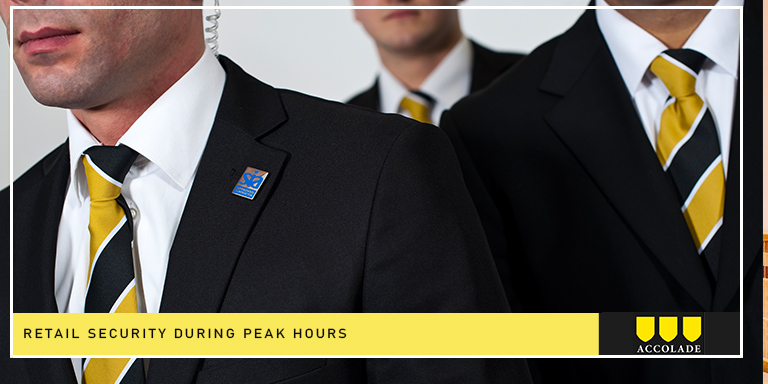
Retail Security During Peak Hours
Why Busy Trading Periods Demand Focused Security
Retail security during peak hours is the structured deployment of SIA-licensed security officers, CCTV monitoring, and loss prevention measures to protect stores, staff, and customers when footfall is at its highest. For London retailers — from Oxford Street flagship stores to high street shops in Camden, Stratford, and Kensington — peak trading periods such as lunch hours, weekends, seasonal sales, and late-night shopping events create the conditions where theft, antisocial behaviour, and operational disruption are most likely to occur. A visible, well-managed security presence during these windows directly reduces shrinkage and improves the shopping experience.
Professional security is not only about presence. It is about risk assessment, prevention, communication, response, and consistent site supervision.
Why This Matters for London Retailers
London’s retail sector operates in a high-density, fast-moving environment. Peak hours compress large numbers of shoppers, delivery staff, and store employees into limited space. This creates specific challenges that quieter trading periods do not.
Organised retail crime groups frequently target busy periods because staff are stretched and shop floor visibility drops. Opportunistic theft rises when fitting rooms are unmonitored and till queues occupy employee attention. Customer confrontations, crowding near exits, and stock displacement all increase during rush hours.
For store managers and retail business owners, the cost of ignoring peak hour shoplifting prevention in London goes beyond lost stock. It affects staff morale, customer confidence, insurance premiums, and long-term profitability. Effective retail guarding at busy trading times addresses all of these pressures simultaneously.
Practical Security Measures for Peak Trading Periods
SIA-Licensed Retail Security Guards
Every security officer working in a London retail environment must hold a valid Security Industry Authority (SIA) licence. However, SIA licensing is only the starting point, not the full quality standard. Guards deployed during peak hours need specific skills: customer-facing communication, situational awareness in crowded spaces, de-escalation techniques, and familiarity with the store’s layout and policies.
Effective retail store security guards in London operate as an extension of the retail team. They greet customers at entrances, monitor high-risk zones, support staff during difficult interactions, and provide a visible deterrent at theft hotspots — all without disrupting the customer experience.
CCTV Monitoring and Shop Floor Surveillance
CCTV systems play a critical role in commercial retail surveillance during peak periods. Live monitoring allows operators to alert floor-walking guards to suspicious activity in real time. Recorded footage supports post-incident investigation and can be shared with the Metropolitan Police when criminal offences occur.
All CCTV use in retail must comply with Information Commissioner’s Office (ICO) requirements, including visible signage, proportionate camera placement, and controlled data retention. Proper compliance builds customer trust and protects the business from regulatory issues.
Loss Prevention Strategies
Loss prevention during busy trading periods requires more than static guarding. It involves coordinated measures such as:
- Entrance and exit monitoring — controlling customer flow and deterring walk-outs.
- Fitting room management — tracking items entering and leaving changing areas.
- High-value product positioning — ensuring expensive merchandise sits within clear sightlines.
- Receipt checks and bag searches — where proportionate and clearly communicated.
- Staff awareness training — ensuring retail employees recognise common theft techniques.
These measures work best when security officers, shop staff, and management communicate openly throughout the trading day.
Crowd Management and Access Control
During seasonal sales, product launches, and promotional events, crowd management in retail environments becomes a safety concern as well as a commercial one. Unmanaged queues block fire exits. Overcrowding creates crush risks. Aggressive customer behaviour escalates when staff cannot control entry flow.
Security officers manage these situations by regulating entry numbers, maintaining clear pedestrian routes, and liaising with store management to adjust capacity in real time. For larger retail sites, access control measures at staff-only areas also prevent unauthorised access to stockrooms, back offices, and loading bays during busy periods.
Step-by-Step: Preparing Security for Peak Retail Hours
- Conduct a site-specific risk assessment — Identify which hours carry the highest footfall, which areas experience the most theft, and where staff coverage drops. Risk profiles differ between a boutique in Chelsea and a department store near Westminster.
- Define peak hour deployment levels — Increase guard numbers during identified rush periods rather than maintaining a flat staffing model throughout the day.
- Brief security officers before each shift — Provide updated site instructions covering known threats, active shoplifting trends, store promotions that may attract crowds, and any ongoing incidents.
- Integrate CCTV with floor patrols — Ensure control room operators and floor-walking guards share a communication channel for real-time coordination.
- Review and adjust weekly — Analyse incident reports, shrinkage data, and guard feedback to refine the approach. Peak patterns shift with seasons, promotions, and local events.
Common Mistakes London Retailers Make
Relying on CCTV alone without active guarding. Cameras record evidence but rarely prevent theft in progress. Store security during rush hours requires physical presence and real-time response.
Deploying untrained or unfamiliar guards. Officers who do not know the store’s layout, policies, or escalation procedures are ineffective during busy periods. Consistent deployment of the same trained team matters.
Treating security as a seasonal expense. Peak hour risks are not limited to Christmas and Black Friday. Saturday afternoons, school holidays, and payday weekends generate significant risk throughout the year.
Ignoring staff communication. Security officers who operate in isolation — without regular updates from shop floor teams — miss intelligence that would prevent incidents. Briefings and radio contact between guards and retail staff are essential.
Underestimating antisocial behaviour. Theft is not the only peak hour risk. Aggressive customers, intoxicated individuals, and groups engaging in intimidation affect staff wellbeing and customer safety. Trained guards manage these situations before they escalate.
Expert Insight
What London retailers frequently overlook is how security quality directly affects customer experience. A well-positioned, professional security officer at the entrance reassures shoppers. A guard who engages politely with customers while scanning for suspicious behaviour adds value beyond loss prevention.
Conversely, poorly managed shop floor protection during high-traffic periods — aggressive bag checking, untrained officers blocking aisles, or visible confrontations — drives customers away and damages brand reputation.
Security needs also differ by retail type. A jeweller in the City of London faces different peak hour threats than a supermarket in East London or a fashion retailer in West London. Site-specific planning, rather than generic templates, produces better outcomes.
Providers holding the SIA Approved Contractor Scheme (ACS) accreditation — such as Accolade Security — are independently audited for standards in staff vetting, training, supervision, and incident reporting. This provides retailers with measurable accountability when selecting a security partner.
Key Takeaways
- Retail security during peak hours requires increased SIA-licensed guard deployment, live CCTV monitoring, and coordinated loss prevention measures.
- Peak hour risks include organised shoplifting, opportunistic theft, antisocial behaviour, overcrowding, and staff safety concerns.
- Effective security integrates guarding with staff communication, incident reporting, and regular briefings — not just physical presence.
- Site-specific risk assessments ensure deployment matches each store’s unique peak patterns, layout, and threat profile.
- ACS-accredited providers deliver audited standards in training, supervision, and operational management.
- Security officers should enhance the customer experience, not disrupt it.
Summary
Retail security during peak hours protects London stores from their highest-risk trading periods. Theft, disorder, and operational disruption concentrate during busy windows, and effective management requires SIA-licensed guards, integrated CCTV, structured loss prevention, and clear communication between security and retail teams. London retailers who invest in site-specific, professionally supervised security during peak periods reduce shrinkage, protect staff, and maintain the customer experience that drives revenue. For tailored retail security support across London, contact Accolade Security to discuss your store’s requirements.
Q&A

Posted By : Accolade Security
At Accolade Security, protecting your business is our priority – so contact us today for more information about how we can help keep your organization secure!