
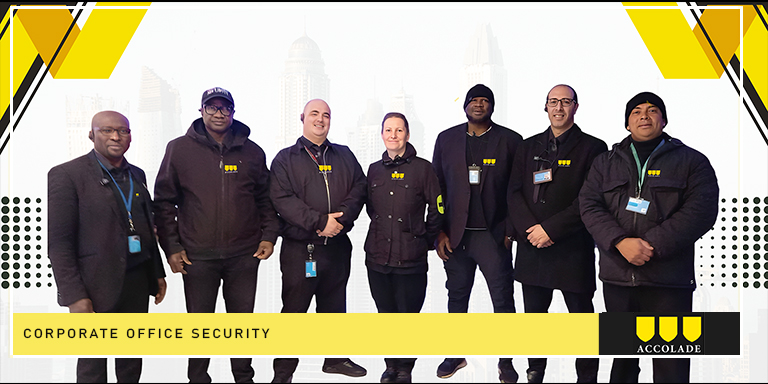
Corporate Office Security: Why Every Business Needs SIA-Approved Professionals
Modern workplaces face increasing safety challenges. From unauthorized access to data protection risks, businesses must manage security carefully. Corporate Office Security has therefore become an essential part of responsible business management. Companies rely on professional security services to protect employees, visitors, property, and confidential information. In this environment, SIA-approved professionals provide trained supervision, structured monitoring, and reliable incident response.
Corporate environments operate with constant activity. Employees, visitors, contractors, and suppliers move in and out of office premises throughout the day. Without a structured security plan, businesses may face operational disruptions or security breaches. Professional security officers help manage these risks while maintaining a safe and organized workplace.
Moreover, a secure office environment supports employee confidence and productivity. Workers perform better when they know their workplace prioritizes safety. Because of this, many organizations integrate trained security personnel into their operational structure.
The Importance of Office Security
Office buildings often contain sensitive information, valuable equipment, and confidential data. Therefore, security systems must protect both physical and digital environments. Corporate offices must control entry points, monitor visitors, and prevent unauthorized access.
Professional security officers play an important role in this process. They supervise entrances, verify identities, and maintain surveillance over critical areas. These responsibilities help reduce risks and maintain workplace order.
Besides that, visible security presence discourages potential threats. Individuals are less likely to engage in misconduct when trained officers monitor the premises. This preventive effect strengthens workplace safety.
Furthermore, corporate security supports business continuity. When offices operate in a controlled and secure environment, companies avoid disruptions that could affect productivity or reputation.
The Role of SIA Licensing in Security Standards
Security Industry Authority licensing ensures that officers meet professional training requirements. These regulations establish clear standards for individuals working in the security sector.
Licensed professionals complete structured training programs that cover conflict management, emergency procedures, and public safety awareness. Because of this preparation, they can manage real workplace situations effectively.
Additionally, SIA licensing promotes accountability. Officers must follow strict professional guidelines while performing their duties. Businesses that hire licensed professionals therefore gain reliable and regulated security support.
Regulatory compliance also benefits organizations. Many companies prefer working with licensed security personnel because certification demonstrates professionalism and competence.
Risk Prevention in Corporate Work Environments
Preventing incidents is one of the most important goals of workplace security. Security officers constantly observe activity across office premises and identify unusual behaviour early.
For example, they may notice unauthorized entry attempts or suspicious movements within restricted areas. Early detection allows them to intervene before situations escalate.
Moreover, security personnel monitor workplace policies. Employees and visitors must follow entry procedures, identification checks, and safety guidelines. Officers help enforce these rules consistently.
Risk prevention also includes routine inspections. Security officers check emergency exits, security equipment, and surveillance systems. These inspections ensure that safety measures remain functional.
Through continuous monitoring, professional security teams maintain a secure and controlled office environment.
Corporate Office Security Through Professional Access Monitoring
Effective access control is a central part of Corporate Office Security. Businesses must ensure that only authorized individuals enter sensitive areas within the workplace. Security officers manage this process through structured entry procedures.
Visitor registration systems allow officers to verify identities and maintain accurate records. These records help organizations track activity within office premises.
Additionally, security officers supervise employee access cards and security badges. Monitoring these systems prevents misuse and unauthorized entry.
Modern offices also use electronic access systems and surveillance cameras. Security personnel monitor these technologies to detect unusual behaviour quickly.
Through careful access management, businesses protect their staff, assets, and confidential information.
Enhancing Employee Confidence and Workplace Comfort
A safe workplace environment contributes to employee satisfaction and productivity. Workers perform more effectively when they know that professional security measures protect them.
Security officers provide reassurance through their visible presence. Employees feel more comfortable reporting concerns when trained personnel are available to assist them.
Furthermore, security officers build familiarity with workplace routines. Because they observe daily activity patterns, they can quickly recognize unusual behaviour or security concerns.
Besides that, officers assist employees during unexpected situations. For example, they may guide staff during building evacuations or support emergency response teams.
Organizations that prioritize workplace safety often see improvements in employee morale and engagement.
Emergency Preparedness in Office Buildings
Emergencies can occur without warning. Fires, medical incidents, or security threats require immediate response and organized action. Security officers play an important role in managing these situations.
During emergencies, trained officers coordinate evacuation procedures and guide employees toward safe exits. Their calm leadership helps prevent confusion and panic.
Moreover, security personnel communicate directly with emergency services. They provide essential information about the situation and building layout.
Preparation is equally important. Security officers regularly inspect alarm systems, emergency exits, and safety equipment. These routine checks ensure that safety systems remain operational.
Because of this preparation, businesses can respond quickly and efficiently during unexpected incidents.
Surveillance Systems and Workplace Monitoring
Technology plays a significant role in modern workplace protection. Many corporate offices rely on surveillance systems to monitor activity across the premises.
Security officers supervise these systems and analyze recorded footage when necessary. Surveillance cameras help detect unusual behaviour, unauthorized entry attempts, and suspicious activities.
Besides that, surveillance monitoring improves overall situational awareness. Officers can observe multiple locations simultaneously and respond quickly when incidents occur.
Furthermore, recorded footage supports workplace investigations. When disputes or incidents arise, security teams review recordings to determine what happened.
Through effective surveillance management, businesses maintain greater control over workplace safety.
Security Reporting and Organizational Transparency
Professional security services rely on detailed documentation. Security officers record observations, incidents, and unusual events during each shift.
These reports provide valuable insights for management teams. Organizations can review incident patterns and identify areas where safety improvements may be required.
For example, repeated access violations may indicate the need for stronger entry policies. Similarly, equipment failures may require maintenance or replacement.
Accurate reporting also improves accountability. Security teams maintain objective records that support fair investigation when incidents occur.
Because documentation creates transparency, organizations can strengthen their safety strategies and maintain compliance with workplace policies.
Security Culture in Corporate Offices
A strong safety culture benefits every organization. Security officers help reinforce this culture by promoting responsible behaviour and awareness.
For example, they remind employees to follow safety procedures and maintain secure access practices. These reminders help prevent careless mistakes that could compromise workplace security.
Security officers also collaborate with management to improve safety planning. Their daily observations provide valuable insights about workplace risks.
Because they work closely with employees and visitors, security personnel can identify potential concerns before they escalate.
Through continuous communication and monitoring, security teams help organizations maintain a proactive safety culture.
Long-Term Benefits of Corporate Office Security
Workplace safety provides long-term advantages for businesses. Companies that invest in professional security services often experience fewer disruptions and improved operational stability.
Professional officers maintain order during busy working hours while ensuring that safety procedures remain active. Their presence discourages misconduct and supports structured workplace operations.
Additionally, strong security management enhances company reputation. Clients and visitors appreciate professional safety practices when entering corporate offices.
Security teams also contribute to business resilience. When incidents occur, trained professionals respond quickly and minimize operational disruption.
As a result, many organizations treat workplace security as a strategic investment rather than a temporary measure.
Selecting the Right Corporate Security Provider
Businesses should carefully evaluate their security providers before implementing workplace protection services. Experience, licensing, and training standards are important considerations.
Companies must ensure that security personnel hold valid certification and demonstrate professional conduct. Reliable providers also offer structured communication and reporting systems.
Furthermore, security services should align with the organization’s operational requirements. Some offices may require strict access control, while others benefit from mobile patrol services.
Consulting with professional security providers helps businesses design tailored protection plans that address specific risks.
Through proper planning and expert guidance, organizations can build strong security systems that protect employees and assets effectively.
Frequently Asked Questions
Secure Your Corporate Office Today
Professional security officers help protect employees, property, and business operations. Speak with our security specialists to design a tailored workplace protection plan.
Request Security ConsultationSummary
Corporate offices require structured safety systems to protect employees, assets, and confidential information. Professional security services help organizations maintain controlled environments where operations can continue smoothly.
Security officers monitor workplace activity, manage entry systems, and respond quickly during emergencies. Their presence discourages potential threats while supporting employee confidence.
Through surveillance monitoring, access control management, and accurate reporting, security teams strengthen workplace safety strategies. Businesses that invest in professional security often experience improved operational stability and enhanced reputation.

Posted By : Accolade Security
At Accolade Security, protecting your business is our priority – so contact us today for more information about how we can help keep your organization secure!