
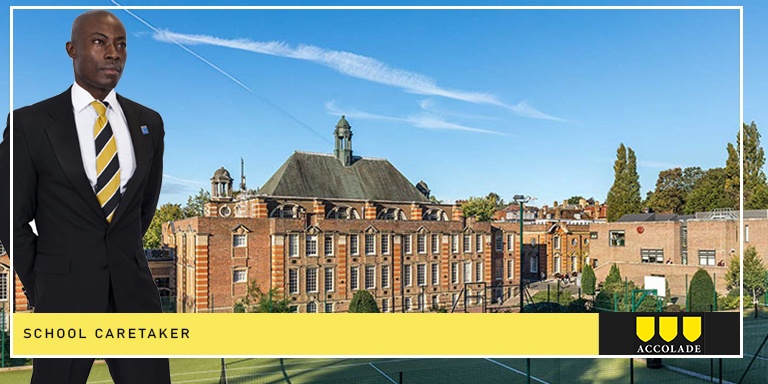
School Caretaker: Essential Role in Modern Education Facilities
A school caretaker plays a vital role in ensuring that educational environments are safe, clean, and functional. From managing daily maintenance tasks to addressing urgent safety concerns, the position is a cornerstone of school operations. The responsibilities extend far beyond simple upkeep, making this role a key part of a school’s long-term success.
Because schools require constant supervision to remain operational, caretakers are often the first to respond to issues, whether they involve building maintenance, security checks, or urgent repairs. In many cases, the caretaker’s work ensures that teachers and students can focus solely on education without disruptions.
Core Responsibilities of a School Caretaker
The duties of a school caretaker are diverse and demand both technical skill and attention to detail. These responsibilities often include:
- Performing routine inspections of the building.
- Ensuring heating, lighting, and ventilation systems are functioning correctly.
- Managing minor repairs before they escalate into costly issues.
- Monitoring security systems and controlling access to the premises.
Most importantly, the caretaker acts as the school’s first line of defense in maintaining operational safety and preventing hazards.
School Caretaker and School Security
One of the most critical functions a caretaker provides is contributing to school security. They are often involved in locking and unlocking buildings, checking for safety hazards, and monitoring entry points. This role is particularly important in safeguarding students and staff against potential risks.
Besides that, caretakers often liaise with external security services to ensure comprehensive coverage. In certain cases, they work alongside professional guards to manage emergency situations or implement new safety protocols.
Skills and Qualities That Make a Great Caretaker
The role demands more than just practical maintenance abilities. Strong interpersonal skills, problem-solving capabilities, and the ability to stay calm under pressure are equally important. Schools benefit from caretakers who are adaptable, reliable, and committed to the well-being of everyone on campus.
Because caretakers interact daily with teachers, students, and external contractors, good communication is essential. Their proactive approach often prevents disruptions to lessons and reduces overall maintenance costs.
Collaboration with External Security Providers
In some situations, schools partner with a security company London to enhance protection. Caretakers play a vital role in coordinating with these companies by providing insights into the school’s layout, identifying vulnerable areas, and ensuring security measures align with the school’s schedule and activities.
This partnership allows schools to maintain a higher level of vigilance without overburdening in-house staff. Moreover, it ensures that caretakers can focus on their other essential duties while still contributing to the safety strategy.
Maintenance, Safety, and Compliance
A school caretaker must remain aware of local regulations and health and safety standards. Compliance is not optional, as failure to meet these standards can result in penalties or unsafe conditions for students and staff. Regular training and updates help caretakers stay informed about best practices, new technologies, and regulatory changes.
Importance of Routine Inspections
Routine inspections are one of the most effective ways to identify and address potential problems early. This might include checking fire alarms, testing emergency lighting, and inspecting playground equipment. By staying ahead of issues, caretakers help maintain a safe, welcoming environment.
Emergency Response Duties
In the event of an emergency, a school caretaker is often among the first responders on-site. Whether the situation involves a maintenance failure, a security breach, or severe weather, their quick action can minimize damage and risk. This responsibility highlights the caretaker’s role as not just a maintenance worker but also a key part of the school’s emergency management team.
Building Long-Term Relationships Within the School Community
The caretaker is often a familiar and trusted figure within the school community. Over time, they develop relationships with students, staff, and parents, which contributes to a sense of security and belonging. These connections can be invaluable in maintaining open communication about safety and maintenance needs.
The Future of the School Caretaker Role
As schools increasingly integrate technology into their operations, caretakers are expected to adapt to new tools and systems. From advanced security cameras to smart building management systems, the modern caretaker’s toolkit continues to expand. This evolution ensures that the role remains relevant and increasingly vital in safeguarding educational spaces.
Frequently Asked Questions

Posted By : Accolade Security
At Accolade Security, protecting your business is our priority – so contact us today for more information about how we can help keep your organization secure!